Facebook
 
 
COMING UP
WORD OF THE DAY
Word of the Day
 
Quote of the Day
 
 
Rotary lockup
 

Not Your Average Civic Service Club

The Downtown Billings Rotary Club has been a part of the community for nearly 100 years, having measurable impact not just locally but internationally as well.  Rotary offers you the chance to make friends, make memories, and make a difference.
 
WHAT'S HAPPENING IN THE CLUB

Rotary Year-End Reflection and Community Impact Report

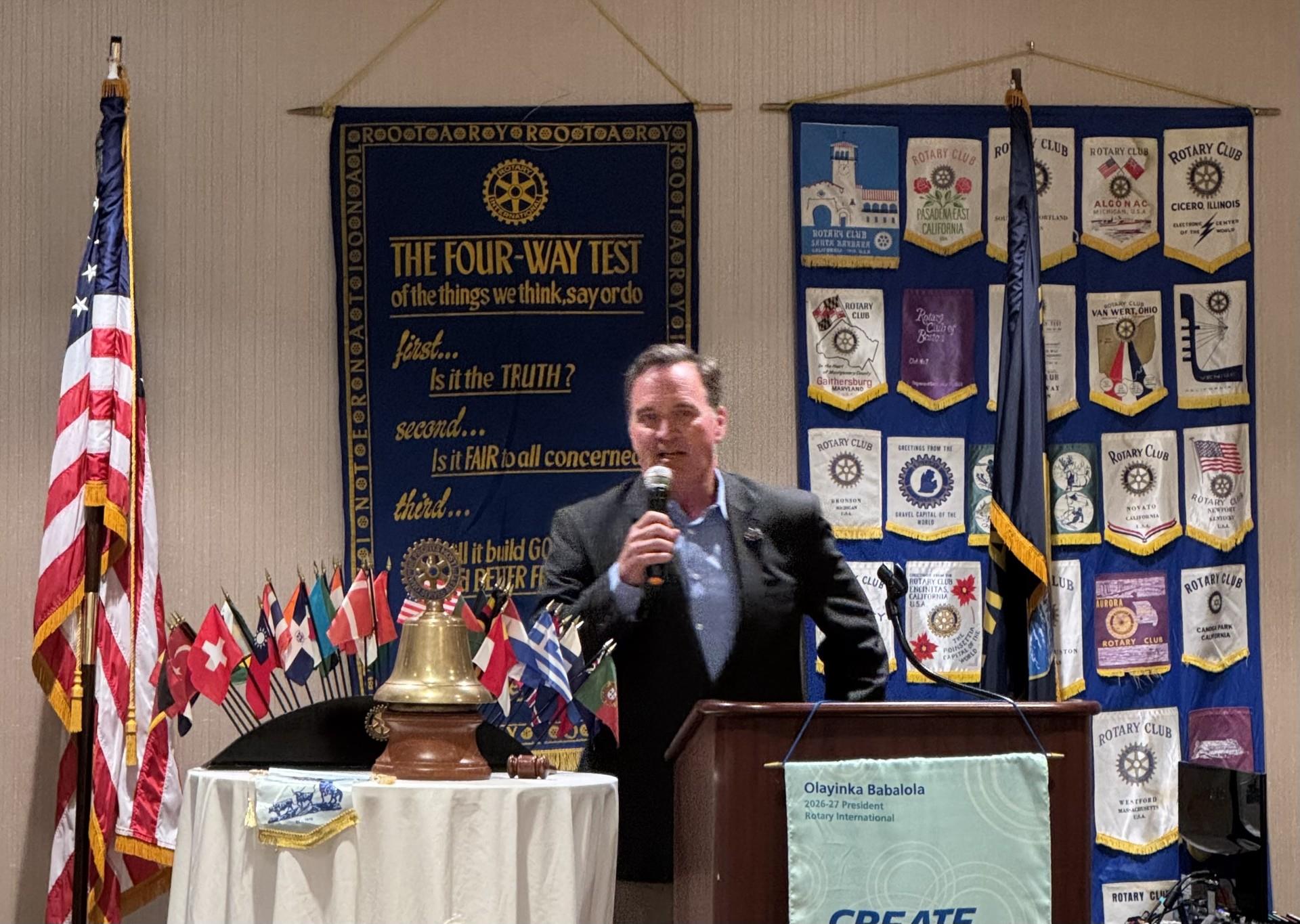
As the Rotary year concluded, the club reviewed its recent achievements. The community grants initiative, selected 14 recipients from 28 applicants (up from 17 recipients the previous year). A total of 14 organizations received funding after a rigorous review process. The increase in funding was made possible by greater available resources. Two major international initiatives were highlighted: the Liberia Water and Sanitation Project and the Guatemala Water Access and Sanitation Project. The Youth Committee focused on leadership development through scholarships, RILA, and the Interact club. Community Service Initiatives highlighted the Holiday Food Baskets and Veterans’ Memorial Flags. Ken, Jonathan, and Drew presented on the highly successful Memorial Day Parade and are looking forward to next year's successes. Jonathan received the President’s Community Impact Award for his leadership, transforming a previously rejected idea into a landmark community event.

Leadership Transitions and Recognition

New Board Members: Vincent, Terry Danielson, Todd Sherman, Andy Elton, and Levi Knight (President Nominee). Returning Board Members: Dave Darby, Jonathan, Jake Bradford, and Matt Allen. Incoming President Charlie outlined two primary goals are to maintain and increase relevancy and grow membership.

Induction of New Rotary Members

Three new members were formally inducted into the Billings Downtown Rotary Club #999: Anne Crist, Ashley Taylor, and Bill Dreikosen.

Billings Rotary Foundation Update

The Billings Rotary Foundation, provided an update on the organization’s leadership and future direction. Josh acknowledged the long-standing service of veteran board members—Bill Boettcher, Alan Correll, Daryl Urlich, and John Stewart—joking that they collectively had “four hundred years” of experience. The board has worked to secure a succession plan, and announced the new board members being added. The Foundation is transitioning to offering scholarships every two years instead of every four and will be increasing fundraising activities to support this initiative. John Stewart will assume the presidency of the Foundation on July 1st. Josh emphasized that while many Rotarians understand the Foundation’s purpose, many do not fully grasp its scope. He committed to delivering future presentations to clarify the Foundation’s impact and future goals.

Guest Presentation: Billings Community Foundation

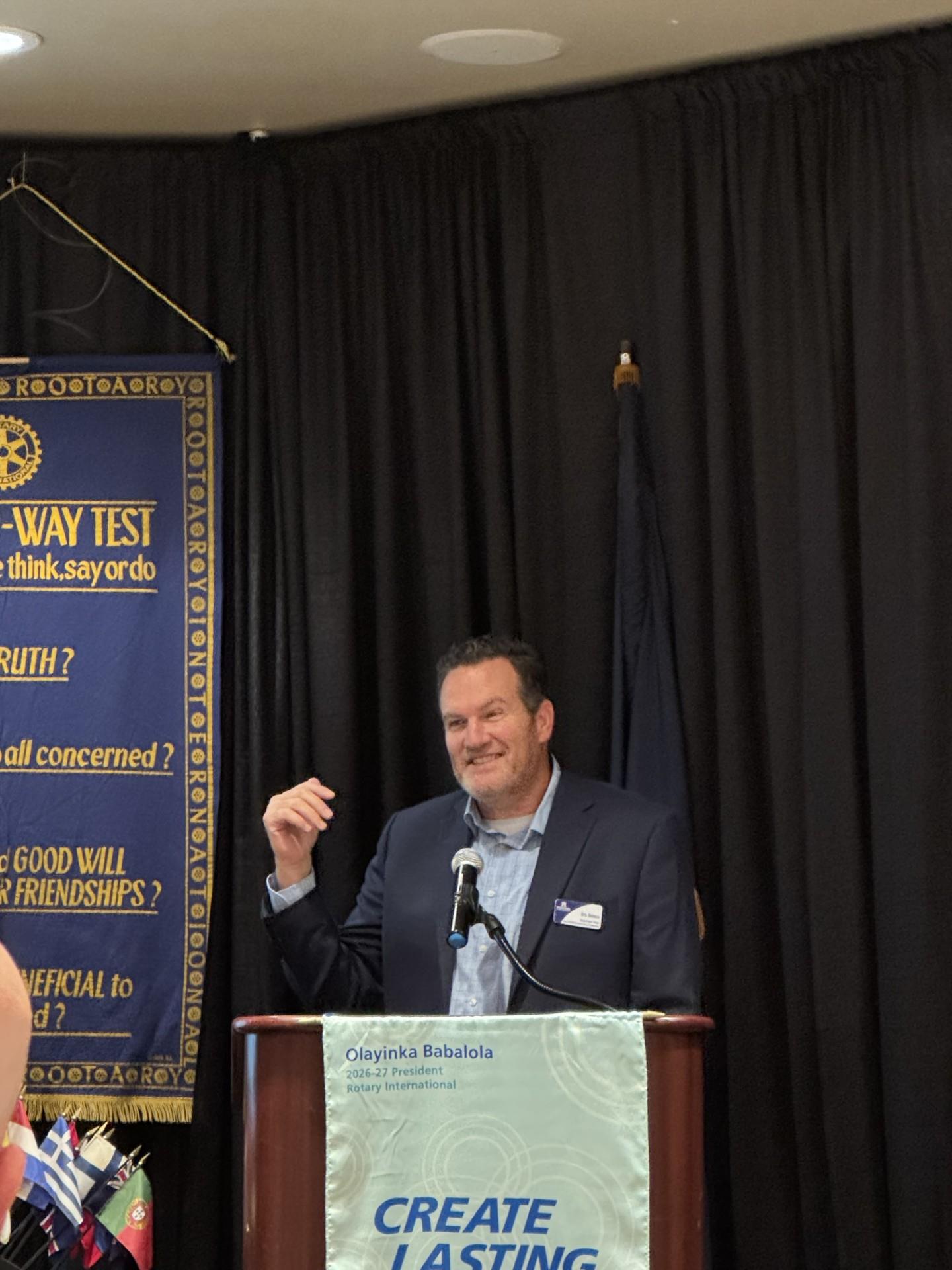
Zach Karakeas, Executive Director, and John Greenberger, Finance Director, of the Billings Community Foundation (BCF), delivered a comprehensive presentation on their organization’s mission, services, and impact. The Foundation was founded in 2007 as a regional arm of the Montana Community Foundation. It became independent to better serve Eastern Montana, which previously received insufficient attention. They now serve nine counties, with partnerships extending to 11–12 counties. BCF acts as a “charitable bank,” helping individuals and organizations direct resources to causes they care about. Services include: Donor-advised funds (DAFs); Endowment management; Montana Endowment Tax Credit; Pass-through accounts; Fiscal sponsorships; and Required Minimum Distributions (RMDs). BCF supports local nonprofits by focusing on board education, teaching financial literacy and fiduciary responsibilities; partnering with the United Way and the Chamber of Commerce to train nonprofit boards and executive directors; and offering fiscal sponsorship, bookkeeping, and grant reporting services. The presentation ended with a Q&A with the membership.

Rotary of Billings Student Scholarship Recipients

The scholarship winners were chosen by their schools as top candidates, and the Rotary committee selected the final six. Those present included:

1. Bryn Solgard (Billings Central)

2. Coralie Seymour (Lockwood)

3. McLean Olsen (Senior High)

4. Ava Greenwood (Skyview)

5. Luke Monson (Billings Christian)

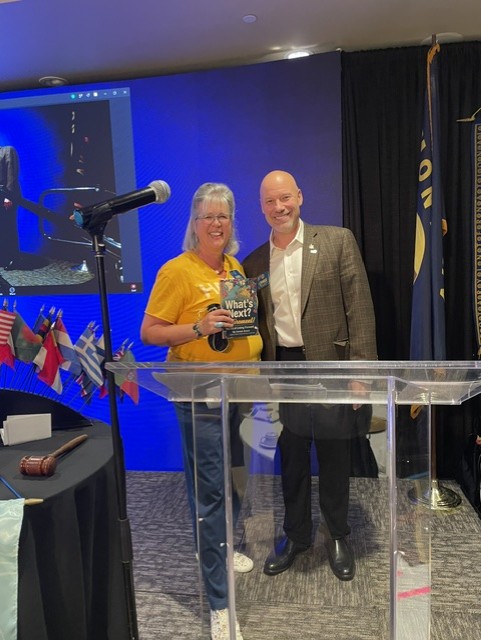
Kellen Edward from West High was unable to attend. Each recipient received a Rotary coin from President Tom as a memento and encouragement to consider future Rotarian involvement. 

Montana Fish, Wildlife & Parks (FWP)

Mike and Chrissy from the Montana Fish, Wildlife & Parks Department. Mike, with FWP since 1994, holds a Master’s in Natural Resources and has held various leadership roles, currently serving as Director of Region Five. Chrissy, a Billings native, joined FWP in 2020 and transitioned in 2022 to Regional Communications and Education Manager, responsible for public outreach, media relations, and conservation education programs. FWP’s organizational framework includes a Public Affairs Manager overseeing licensing and communications, a vacant Deputy Director position initiated under the Gianforte administration, Centralized Enforcement and Legal units, a Chief of Administration (budgets, IT, HR), a Chief of Operations (supervising regional programs), and a Chief of Conservation Policy (coordinating with state parks board and commissioners, and overseeing the reconsolidated Research Unit). FWP collaborates extensively with federal and tribal partners.  There are 12 federally recognized tribes across 7 reservations; FWP works through formal agreements on license sales, wildlife distribution, and habitat access. Montana has 11 forests in which FWP coordinates on habitat and access projects and provides input on forest management plans. FWP collaborates with the U.S. Fish & Wildlife Service on species such as grizzly bears; a recent example involved the removal of a depredating bear after it killed calves. FWP also works with the BLM on joint access and habitat initiatives and the National Parks.

FWP manages:

  • 334 Fishing Access Sites, including a newly approved floating site on the Upper Yellowstone

  • 56 State Parks, with Judah Landing as the most recent addition (a historically and naturally significant site)

  • 68 Wildlife Management Areas (WMAs), including the 6,000-acre Big Snow WMA, which provides access to over 100,000 additional acres

FWP uses strategic planning to manage crowding, especially at high-use sites like Cooney and Lake Elmo, which rank among the top five most visited parks in Montana. During peak times—such as Memorial Day weekend at Lake Elmo—crowding is extreme, with visitors parking blocks away. Fishing pressure has increased over time, with 3.5 million angler days recorded in 2023 and a peak of 4 million during the pandemic. Non-resident fishing participation is growing faster than resident participation, a trend contrary to national patterns. Montana operates 12 hatcheries, with two in the eastern region focusing on warm and cool water species. Historically, hatcheries supported widespread stocking, but this approach changed in the 1970s when it was found that hatchery trout often outcompeted wild populations, reducing overall fish numbers. As a result, FWP shifted focus to habitat conservation and selective stocking of native species. Hunting behaviors are evolving, with hunters increasingly engaging in multi-activity trips (fishing, hiking, family outings) rather than traditional single-purpose excursions. While resident deer license sales are capped, non-resident sales were previously uncapped in many areas but are now being limited. Elk license sales remain stable due to caps, but three-day license sales (popular with non-residents) have gradually increased since 2016, indicating growing short-term participation. FWP manages bison in two hunting districts (Gardiner and West Yellowstone), including coordination with tribal hunters under federal treaties. Most bison elsewhere in the state are classified as domestic and managed by the Department of Livestock, not FWP. Mike did end his presentation by addressing questions from the membership.

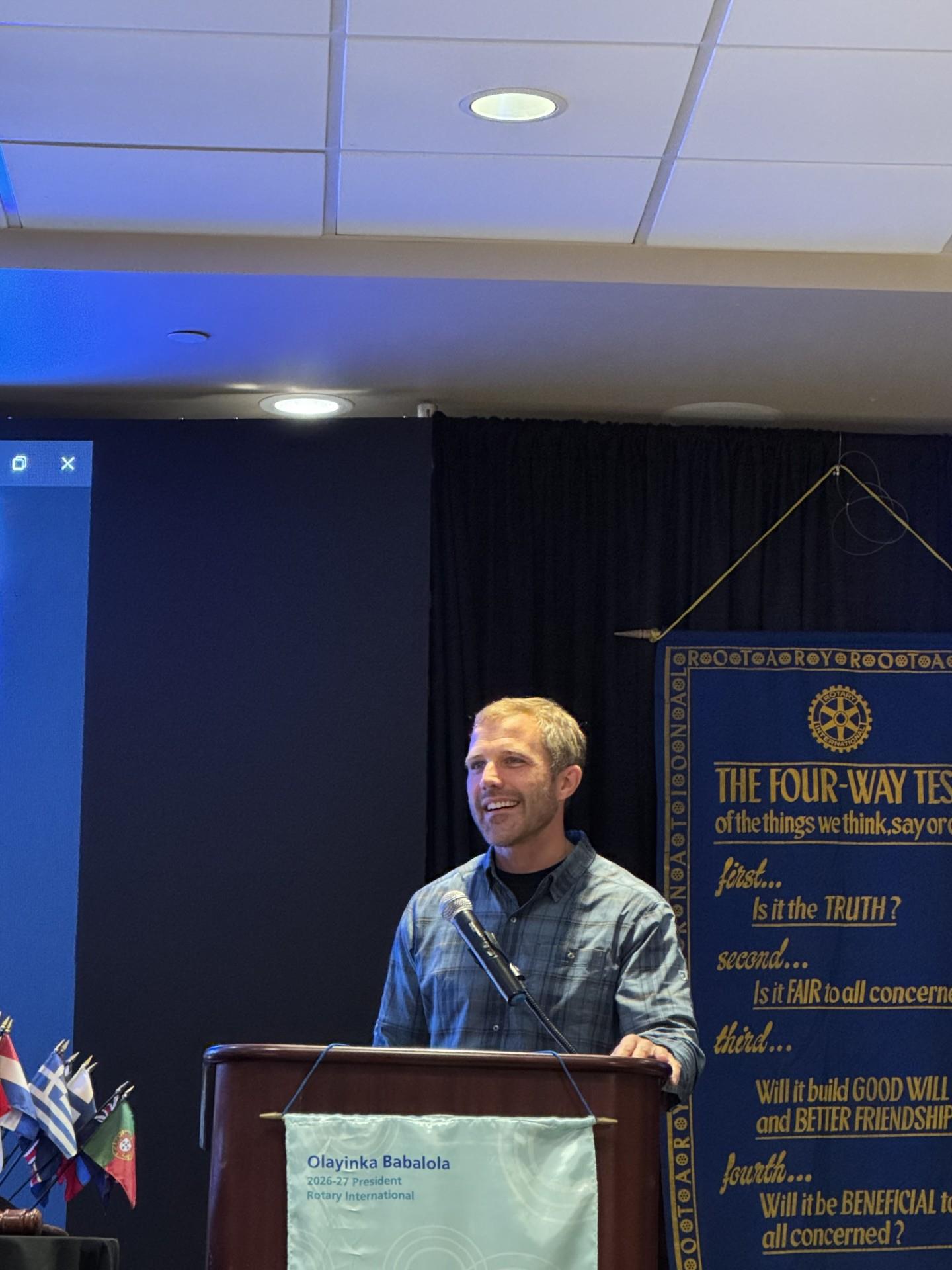
Al Beever, Executive Director of INSRE

Al Beever, Executive Director of Montana State University’s Institute for National Security Research and Education (INSRE), delivered a comprehensive presentation on MSU’s national security initiatives. Al stated that MSU is Montana’s land-grant institution, established under a law that includes "military tactics"—the foundation of ROTC programs. INSRE was formally established in November 2004 by the Board of Regents. It operates under a "soft-funded" model: researchers must secure their own funding, making external partnerships critical. Al emphasized three core goals: growing impact on national security, improving student experience, and expanding industry partnerships. Al explained that Partnership Intermediary Law is a uniquely flexible federal law allowing MSU to serve as a bridge between government, industry, and academia. The law permits nearly all activities except manufacturing and janitorial services. 

MSU hosts three federal partnership intermediaries:

1. Department of Defense

2. Department of Homeland Security

3. Intelligence Community

MSU is the only academic institution in the Air Force Mentor-Protégé program, where it mentors small defense contractors like a prime contractor (e.g., Boeing). MSU supports efforts to decentralize semiconductor manufacturing from Taiwan to enhance national security. Applied Research Lab (ARL) at MSU is a secure research facility opened in 2019. In 2023, it received a perfect score from the Defense Counterintelligence and Security Agency (DCSA)—a national distinction. A newer program that identifies emerging technologies and promotes them to the military, called Defense Innovation On-Ramp Hub, differs from traditional fee-for-service models. 

The program is currently working on: Plate Carrier Design: MSU designed the ballistic plate carriers used by U.S. soldiers, Marines, and airmen. Over 30 companies were involved, with more than half of MSU’s $65M annual budget flowing to industry partners; TPS-75 Radar Modernization: MSU helps maintain and upgrade this aging radar system, critical for defense despite its age; "Hair Clip" Antenna Mount: A lightweight, adaptable antenna holder for Special Operations Forces, usable on branches, roll cages, or even animal manes; Exit Wound Hemostatic Sponge: MSU partnered with a company to make a medic-invented sponge injectable into torso wounds, saving lives by creating internal pressure; STORM Unit (Small Tactical Optical Rifle Mounted Target Designator Laser Range Finder): A laser rangefinder partly manufactured in Bozeman; "Narco Boat": Inspired by drug traffickers’ autonomous boats, MSU built a low-cost, autonomous resupply vessel for Marines in the South Pacific. The project rapidly transitioned from research to a program of record; Electronic Warfare and Free Space Optics: Secure ship-to-ship and ship-to-shore laser communication systems that resist interception; Load Reduction Initiatives: MSU engineers analyzed and reduced the weight of gear carried by Marine rifle squads, a project initiated at Quantico, Virginia; and the Pylon Stand for Air Force Maintenance: Designed for a petite airman in Germany to independently rotate heavy F-16/F-22 pylons. Deployed in Okinawa and Spangdahlem, with MSU staff traveling to support further implementation.

MSU hires 30+ students annually into full-time roles; some now lead their own teams. The students work on real-world, not hypothetical, projects with real funding. Capstone projects number around 25 at any time, involving students from all majors, not just engineering. Students participate in Field User Evaluations (FUE), Limited User Evaluations, and Human Factors Exercises. MSU hosts the Interagency Body Armor Working Group in May, bringing 50+ officials from DoD, FBI, DHS, and Secret Service to evaluate helmets, eyewear, and plate carriers.

Kyle Lantz introduced five organizations receiving Rotary Community Grant Awards.

1. Eagle Mount – Presented by Lynn Mullowney Cabrera

Eagle Mount provides adaptive recreation and community engagement for over 700 individuals annually, including youth and adults with various disabilities. Programs include skiing, summer camp, cycling, and field trips. Scholarships allow low-income families to participate. 

2. Scouting America (Montana Council) – Presented by Levi Knight

Levi serves as Field Director, overseeing 547 youth and 198 adults in Billings. The grant supports the Scout Reach program, targeting underserved populations in urban and rural areas, particularly at Friendship House. The program runs twice monthly for six weeks.

3. Yellowstone Historical Society – Presented by Lou Ponech

The grant funded an informational sign about Willard Fraser, a four-term mayor of Billings who died in office in 1972. The new 4x2 foot sign, similar to Skyline Trail markers, will be placed in front of a boulder on the Metro side, facing the river and Emerald Hills. The sign highlights Fraser’s achievements: doubling city parks, saving Pictograph Caves, and attracting film production. A ribbon-cutting ceremony is scheduled for June 11 at 1:30 PM, followed by a reception at the Northern Hotel.

4. Billings Symphony – Presented by Mario Lopez

The grant supports Beyond the Stage, a rebranded version of the Explore Music program, focusing on education and community engagement. Last season, 263 free programs were offered under 13 initiatives.

5. Community Leadership and Development Inc. – Presented by Kaylee Thompson

Kaylee thanked Rotary for supporting the YouthWorks program. The program is based on the HOPE (Healthy Outcomes from Positive Experiences) framework, countering adverse childhood experiences with consistent, positive relationships.

MEETING INFO
Map of Montana
Mondays
Food service starts at 11:30 AM
The program starts at noon
Northern Hotel
19 N Broadway
Second Floor
Billings, MT 59101
 
Any person may attend a luncheon meeting for the price of the meal.  Lunch is served buffet-style, and there are choices for those who are sensitive to lactose and gluten.
CLUB OFFICERS
President
President Elect
President-elect Nominee
Secretary
Treasurer
Past President
Club Administration
Board 1st Year
Board 2nd Year
Board 1st Year
Board 1st Year
Board 1st Year
Board 2nd Year
Board 2nd Year
Board 1st Year
Board 2nd Year